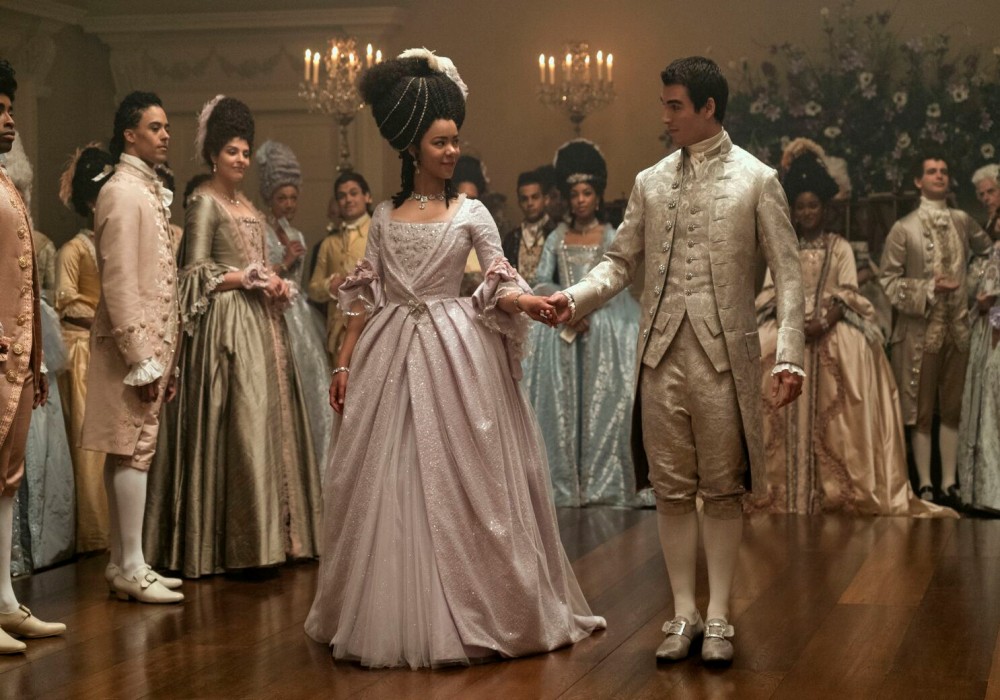
Wigs have played a pivotal role in the entertainment industry for centuries, transforming actors and actresses into characters that captivate audiences on stage, film, and television. These versatile hairpieces have the power to transport performers into different eras, cultures, and realms, enhancing the visual storytelling experience. In this article, we will explore the significant role wigs play in the entertainment industry, from their historical significance to their practical use in creating iconic characters and immersive theatrical productions.
Historical Significance of Wigs in Theater
Wigs have a rich history in theater, dating back to ancient Greece and Rome. In those times, actors would wear wigs to signify different social statuses, genders, and character types. The tradition continued through various historical periods, with elaborate powdered wigs becoming popular during the Renaissance and Baroque eras. Wigs not only helped create distinct characters but also allowed actors to portray individuals from different social classes and time periods, contributing to the authenticity and visual appeal of theatrical productions.
Creating Iconic Characters on Screen
In film and television, wigs play a crucial role in character development and visual storytelling. They allow actors to undergo dramatic transformations, stepping into the shoes of fictional or real-life individuals. Wigs can accurately represent different time periods, hairstyles, and cultural backgrounds, immersing the audience in the story being told. Whether it’s a period drama, a fantasy epic, or a sci-fi adventure, wigs enable actors to fully embody their characters, bringing them to life in a visually compelling way.
Versatility and Practicality in Productions
Wigs offer a practical solution in the entertainment industry, especially when time and continuity are crucial. Actors can switch between different characters or scenes with ease by changing wigs, saving valuable time during production. Additionally, wigs provide consistency in hairstyles throughout filming, ensuring that hair remains the same even during reshoots or multiple takes. They also protect actors’ natural hair from constant styling and chemical treatments that could lead to damage.
Collaboration Between Wig Designers and Creatives
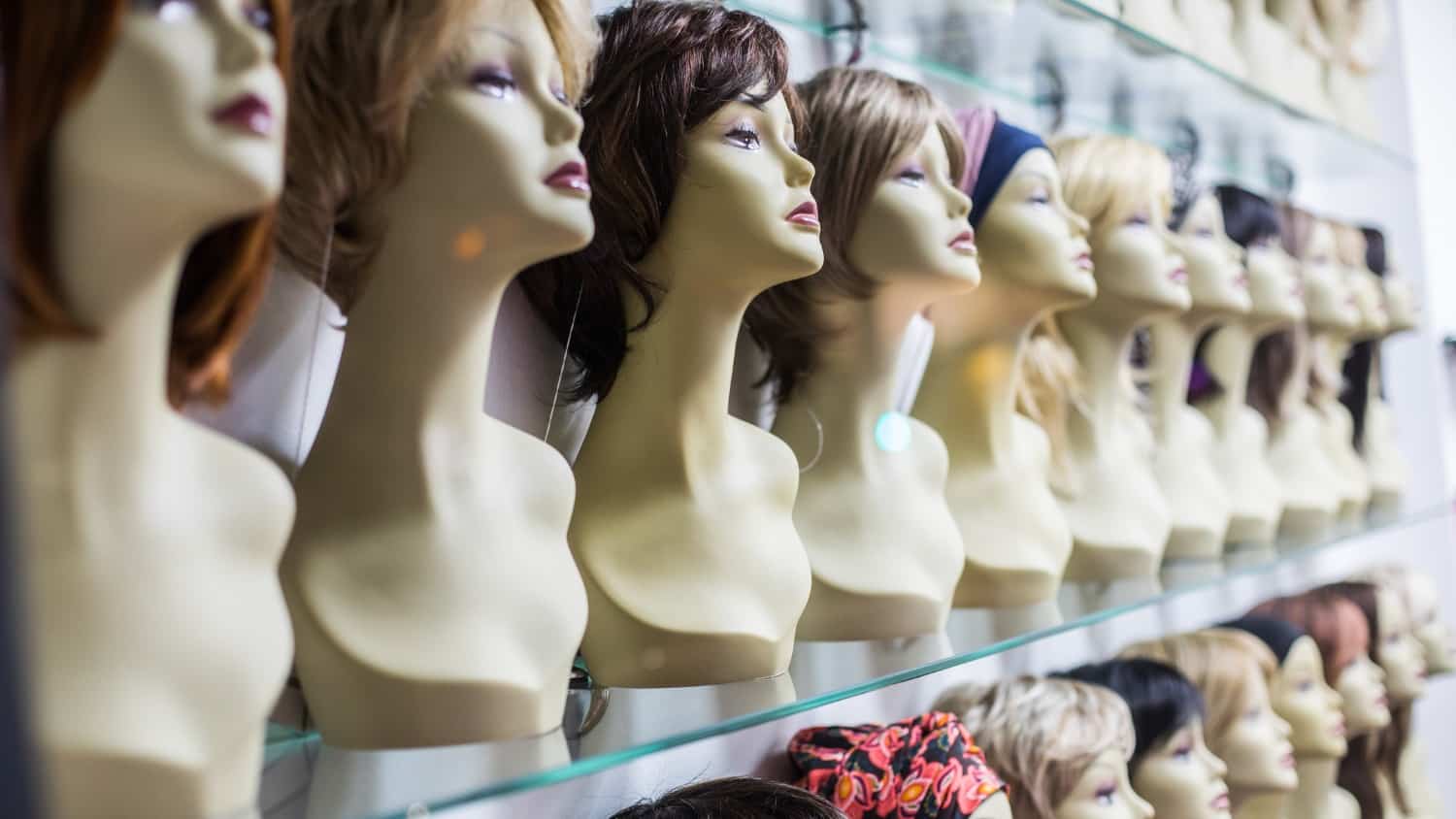
The creation of wigs in the entertainment industry is a collaborative process involving wig designers, costume designers, makeup artists, and directors. Wig designers work closely with the creative team to develop hairstyles that align with the overall vision of the production. They consider factors such as character traits, time periods, cultural backgrounds, and the practicality of the wig for the actors. The collaborative effort ensures that the wigs seamlessly integrate into the storytelling and enhance the visual aesthetics of the production.
Advancements in Wig Technology
Over the years, wig technology has advanced significantly, providing more realistic and comfortable options for actors. Modern wigs are made from high-quality materials, such as synthetic fibers or human hair, that closely resemble natural hair. They are designed to withstand the demands of stage and screen, ensuring durability and longevity. Additionally, advancements in wig construction, such as lace-front wigs and ventilated caps, have improved the realism and breathability of the wigs, enhancing the overall performance experience for actors.
Conclusion
Wigs have become an indispensable tool in the entertainment industry, seamlessly transforming actors and actresses into memorable characters. From theater to film and television, they contribute to the visual storytelling experience, helping to create authenticity, evoke specific time periods, and enhance character development. The collaborative efforts between wig designers and creatives ensure that wigs align with the overall artistic vision of productions. With the constant advancements in wig technology, actors can fully embrace their roles, immersing audiences in captivating narratives that come to life on stage and screen.