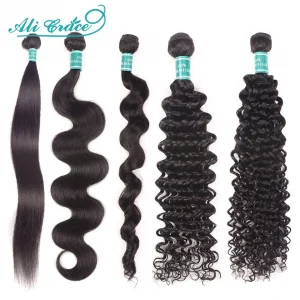
Wigs have been used for centuries for various reasons, including fashion, medical purposes, and cultural and religious traditions. However, the production of wigs, particularly human hair wigs, can have a significant environmental impact. With the growing concern for the environment and sustainable living, it’s essential to understand the impact of wigs on the environment and to consider more sustainable options.
Human Hair Wigs: The Environmental Impact
Human hair wigs are made from real human hair, which is collected from hair donors worldwide. While the hair itself is a renewable resource, the process of collecting, processing, and manufacturing wigs can have significant environmental implications.
One of the main issues with human hair wigs is the energy consumption and pollution associated with the production process. Chemicals and dyes used in the processing and manufacturing of wigs can have harmful effects on the environment, including air and water pollution. Additionally, transportation of the hair from the donor to the manufacturer and the final product to the consumer contributes to greenhouse gas emissions.
Another issue with human hair wigs is the ethical concerns surrounding the sourcing of the hair. In some cases, the hair is collected from individuals who are economically disadvantaged and may not fully understand the implications of selling their hair. Additionally, some hair collectors resort to exploitative practices such as coercing individuals to sell their hair at very low prices.
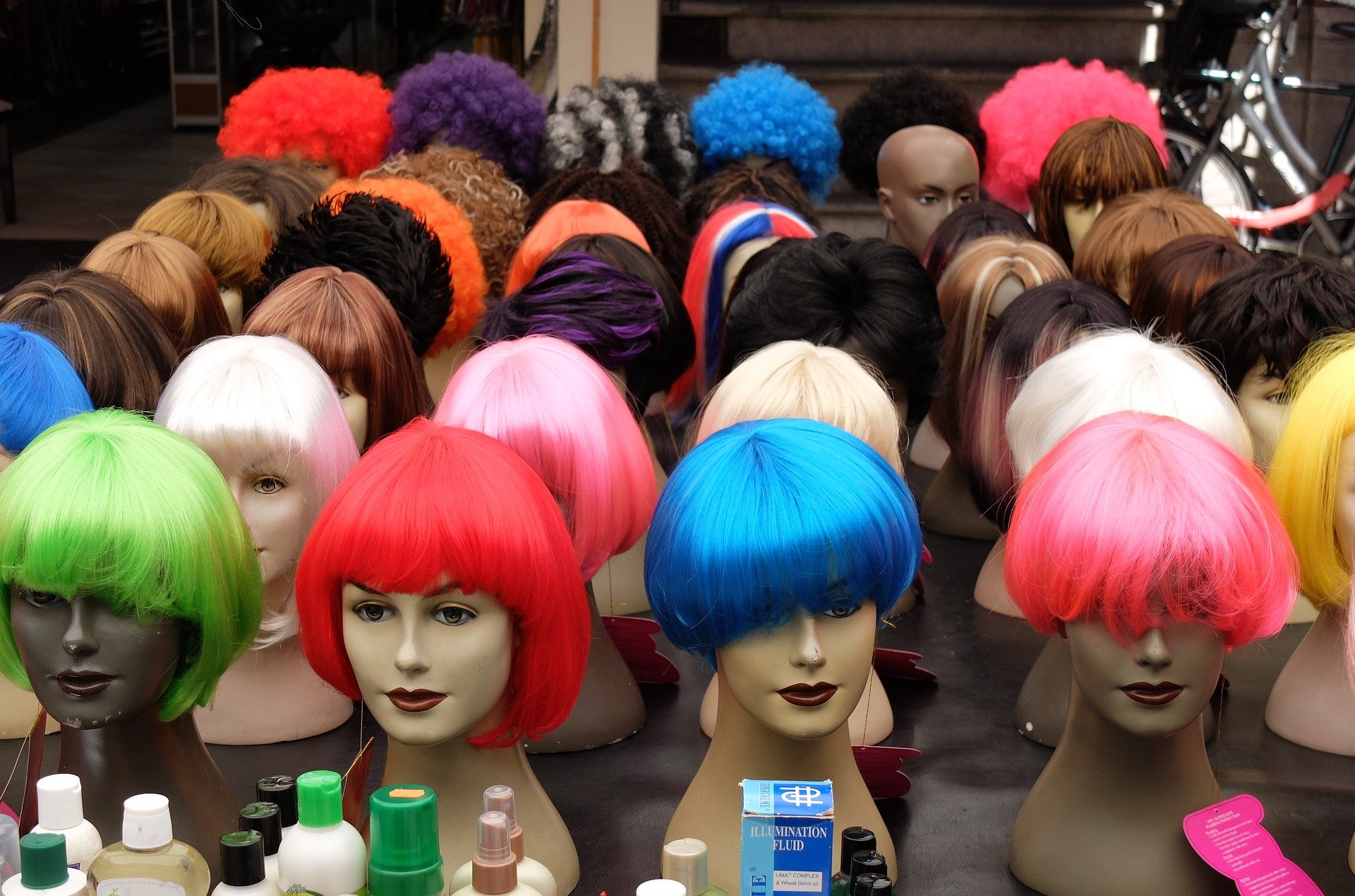
Synthetic Wigs: The Environmental Impact
Synthetic wigs are made from a variety of plastic fibers, such as polyester, nylon, and acrylic. While synthetic wigs do not have the ethical concerns associated with human hair wigs, their production and disposal can have a significant environmental impact.
The production of synthetic wigs requires the use of fossil fuels and other non-renewable resources, contributing to greenhouse gas emissions and climate change. Additionally, the synthetic fibers used in wigs can take hundreds of years to decompose, contributing to the growing issue of plastic waste in landfills and oceans.
Sustainable Wig Options
Fortunately, there are more sustainable options for those interested in wigs. Some companies have started using more eco-friendly materials, such as organic cotton, bamboo, and even recycled plastic, to create wigs. Additionally, some companies have started to produce wigs using more sustainable manufacturing processes, such as using renewable energy sources.
It’s also essential to consider the lifespan of wigs when thinking about sustainability. While both human hair and synthetic wigs can last for a long time with proper care, synthetic wigs are generally less durable than human hair wigs. Therefore, investing in a high-quality human hair wig may be a more sustainable option in the long run.
Final Thoughts
In conclusion, the production and disposal of wigs can have a significant environmental impact, particularly for human hair wigs. However, with the growing concern for the environment, it’s essential to consider more sustainable options, such as wigs made from eco-friendly materials and using more sustainable manufacturing processes. Ultimately, it’s up to individuals to make informed decisions and consider the environmental impact of their choices when purchasing and using wigs.