As temperatures drop and the air becomes drier during the winter months, protecting wigs from potential damage becomes a crucial aspect of proper wig care. From preventing static and frizz to preserving moisture and texture, implementing effective winter wig care practices is essential for maintaining the quality and appearance of your hairpieces. This article aims to provide comprehensive insights and practical tips for safeguarding wigs from winter-related damage, ensuring their longevity and optimal performance throughout the colder seasons.
Hydration and Moisture Retention :
Discuss the significance of maintaining adequate hydration and moisture levels in wigs during the winter, emphasizing the use of wig-friendly moisturizing products and conditioners to prevent dryness, brittleness, and static. Highlight the benefits of incorporating deep conditioning treatments and protective serums to lock in moisture and promote a healthy, lustrous appearance.
Static Control and Frizz Prevention :
Explain the common challenges of static and frizz that arise during winter and their potential impact on wigs, emphasizing the importance of using anti-static products and frizz-control solutions to minimize flyaways and maintain a smooth, polished look. Discuss the benefits of using lightweight oils and serums to tame static and frizz without weighing down the wig’s fibers.
Proper Storage and Care :
Highlight the significance of proper storage and care routines during the winter months, emphasizing the use of wig stands or mannequin heads to preserve the wig’s shape and prevent tangling. Discuss the benefits of covering wigs with breathable fabric or wig nets to protect them from dust, moisture, and environmental damage while not in use.

Gentle Handling and Styling :
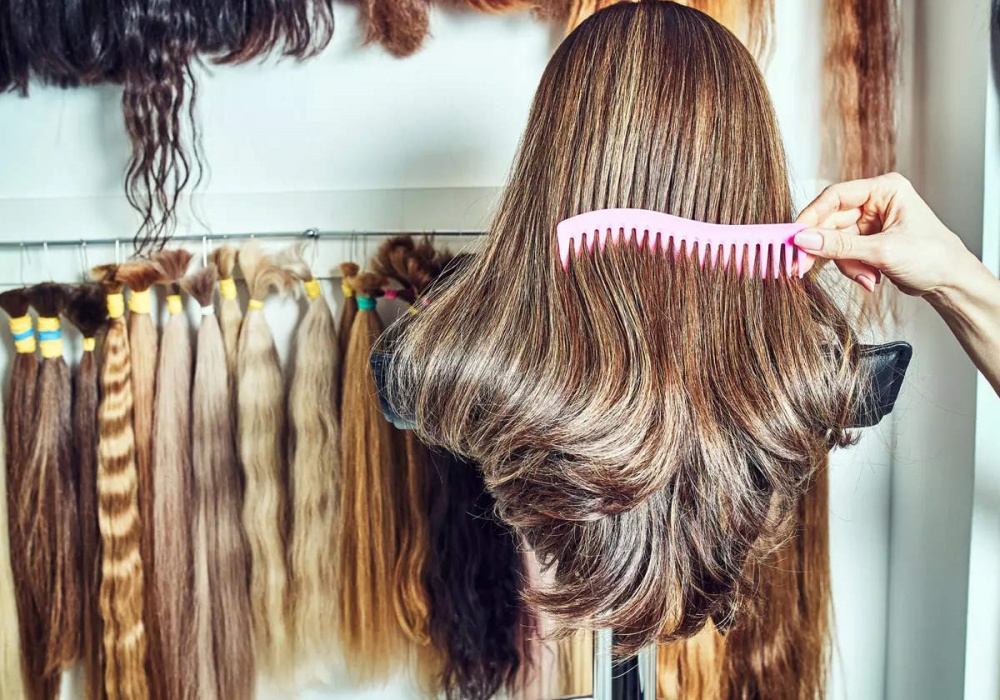
Emphasize the importance of gentle handling and styling techniques to avoid unnecessary tension and damage to wig fibers, especially during colder, drier weather conditions. Discuss the benefits of using wide-toothed combs and soft brushes to prevent breakage and minimize static buildup, promoting a smooth and manageable styling process.
Temperature and Environment Considerations :
Discuss the impact of fluctuating indoor and outdoor temperatures on wigs, highlighting the significance of minimizing direct exposure to heat sources, such as heaters and fireplaces, to prevent heat damage and fiber distortion. Emphasize the importance of maintaining a consistent, moderate temperature and humidity level to preserve the integrity and texture of the wig.
By implementing effective hydration and moisture retention practices, controlling static and frizz, ensuring proper storage and care, gentle handling and styling, and considering temperature and environment factors, individuals can protect their wigs from winter damage and maintain their quality and appearance throughout the colder months. These essential tips and guidelines enable wig wearers to enjoy a flawless and resilient look, regardless of the season’s harsh conditions.