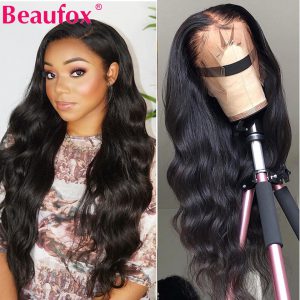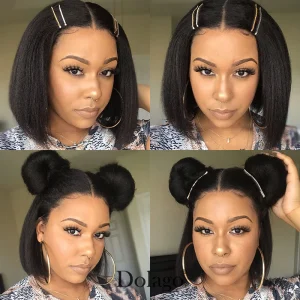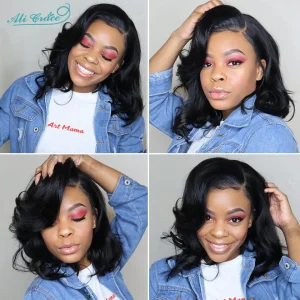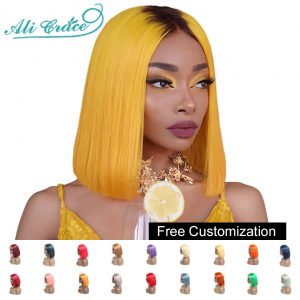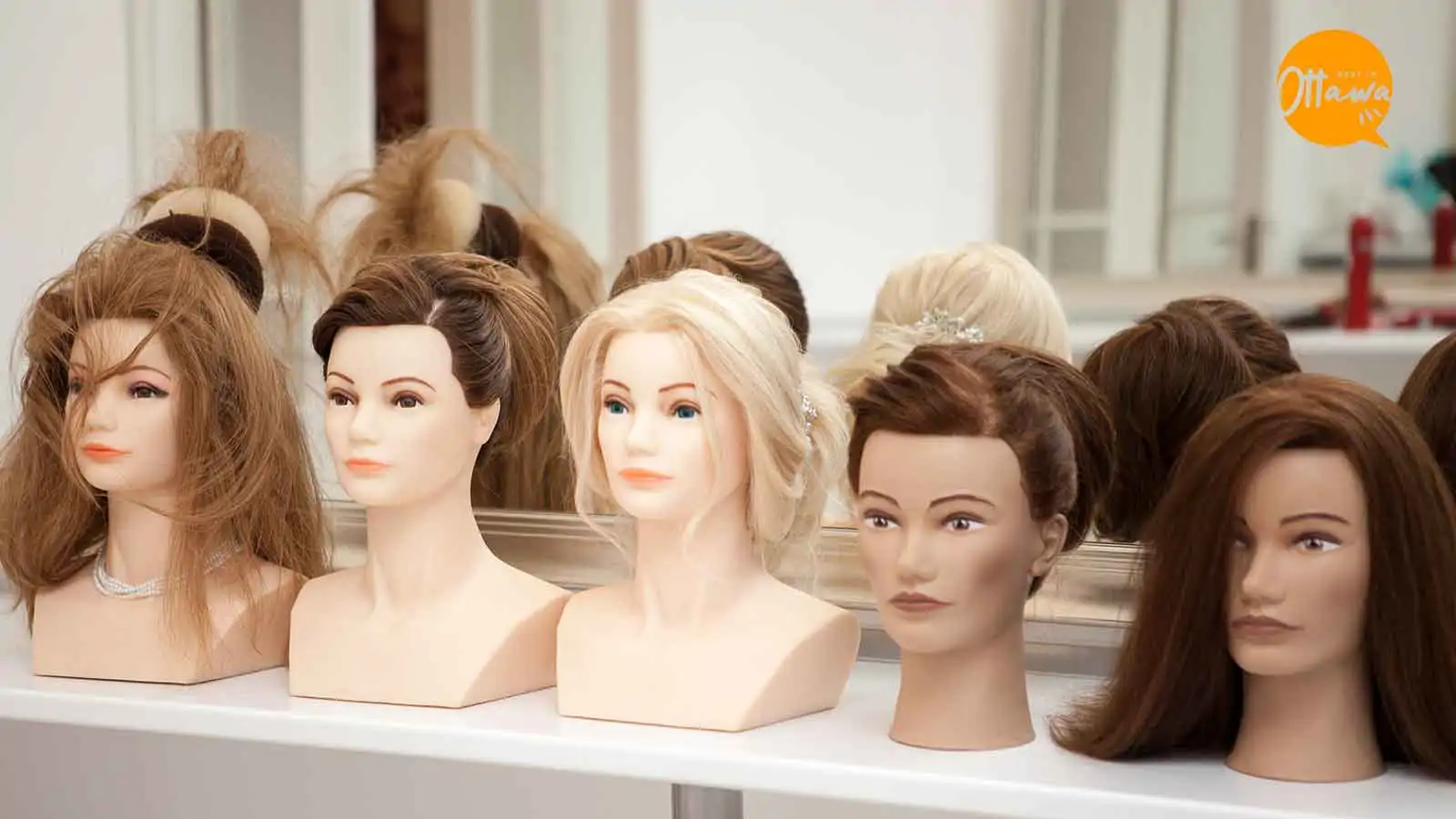
Wigs are a great way to change up your look and experiment with different hairstyles. However, not all wigs will look good on every face shape or hair type. Knowing how to style a wig that flatters your unique features can make all the difference. In this article, we’ll explore wig styling tips for different face shapes and hair types.
Face Shapes
- There are six main face shapes: oval, round, square, heart, diamond, and oblong. Each face shape has its own unique characteristics and requires a different wig styling approach.
- Oval: An oval face is balanced and proportional. Almost any wig style will look good on this face shape, but shoulder-length or longer styles with layers are particularly flattering.
- Round: A round face is characterized by fullness in the cheeks and a rounded chin. A wig with volume at the crown and length that falls below the chin can help elongate the face and create a more oval appearance.
- Square: A square face has a strong jawline and forehead. A wig with soft waves or layers that frame the face can soften the angles of a square face and create a more feminine look.
- Heart: A heart-shaped face is widest at the forehead and tapers to a point at the chin. A wig with layers that start at the jawline can balance out the face and soften the chin.
- Diamond: A diamond face shape is widest at the cheekbones and tapers at both the forehead and jawline. A wig with fullness at the chin and crown can help balance out the face and create a more oval appearance.
- Oblong: An oblong face is longer than it is wide and has a high forehead and narrow chin. A wig with volume at the sides and a slight wave or curl can create the illusion of width and balance out the face.

Hair Types
Wig styling also depends on the type of hair the wig is made from. Synthetic and human hair wigs require different styling techniques.
Synthetic: Synthetic wigs are low maintenance and come pre-styled. However, they cannot be heat-styled, so it’s important to choose a wig that is close to your natural hair type and texture. Use a wig brush or comb to gently detangle and style the wig, being careful not to tug or pull on the fibers.
Human Hair: Human hair wigs are more versatile and can be heat-styled with curling irons or straighteners. It’s important to use heat protectant products and to avoid over-styling to prevent damage. Use a boar bristle brush or wide-tooth comb to gently detangle and style the wig.
Additional Tips
Here are some additional tips to keep in mind when styling a wig:
Choose a wig that matches your skin tone and complements your natural features.
Consider adding bangs to the wig to help frame the face and create a more natural look.
Use wig clips or a wig cap to secure the wig in place and prevent slipping.
Experiment with different wig styling products such as hairspray or mousse to achieve the desired look.
Always store the wig on a wig stand or in a wig box to maintain its shape and prevent tangling.
In conclusion, wig styling is an art that requires careful consideration of face shape, hair type, and personal style. With these tips in mind, you can find a wig that flatters your unique features and allows you to express yourself with confidence.