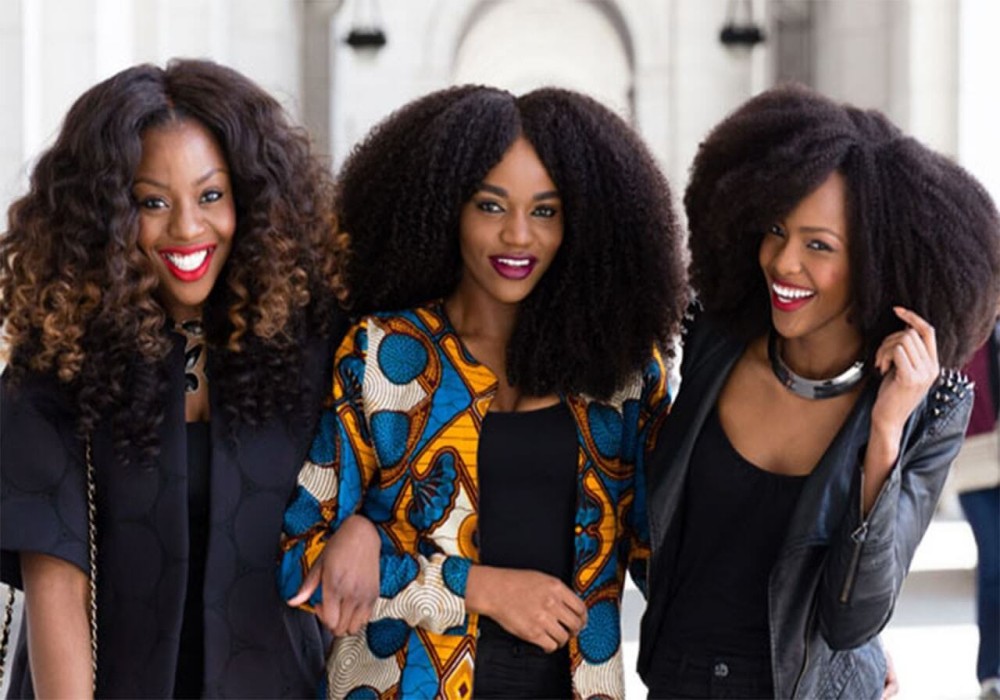
Wigs have become a popular accessory for both men and women seeking to enhance their appearance or address hair loss. While the fundamental purpose of wigs remains the same, there are notable differences between men’s wigs and women’s wigs in terms of production and wearing. Understanding these distinctions can help individuals make informed choices when selecting a wig that suits their needs and preferences. In this article, we will explore the variations in production techniques, styles, and wearing considerations between men’s and women’s wigs.
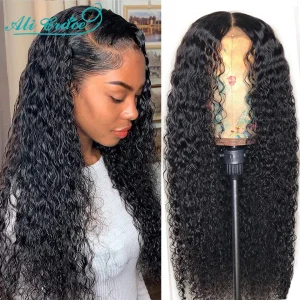
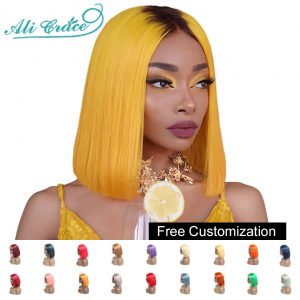
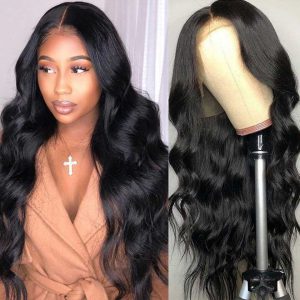
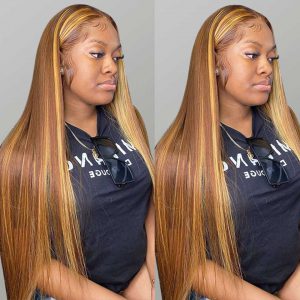
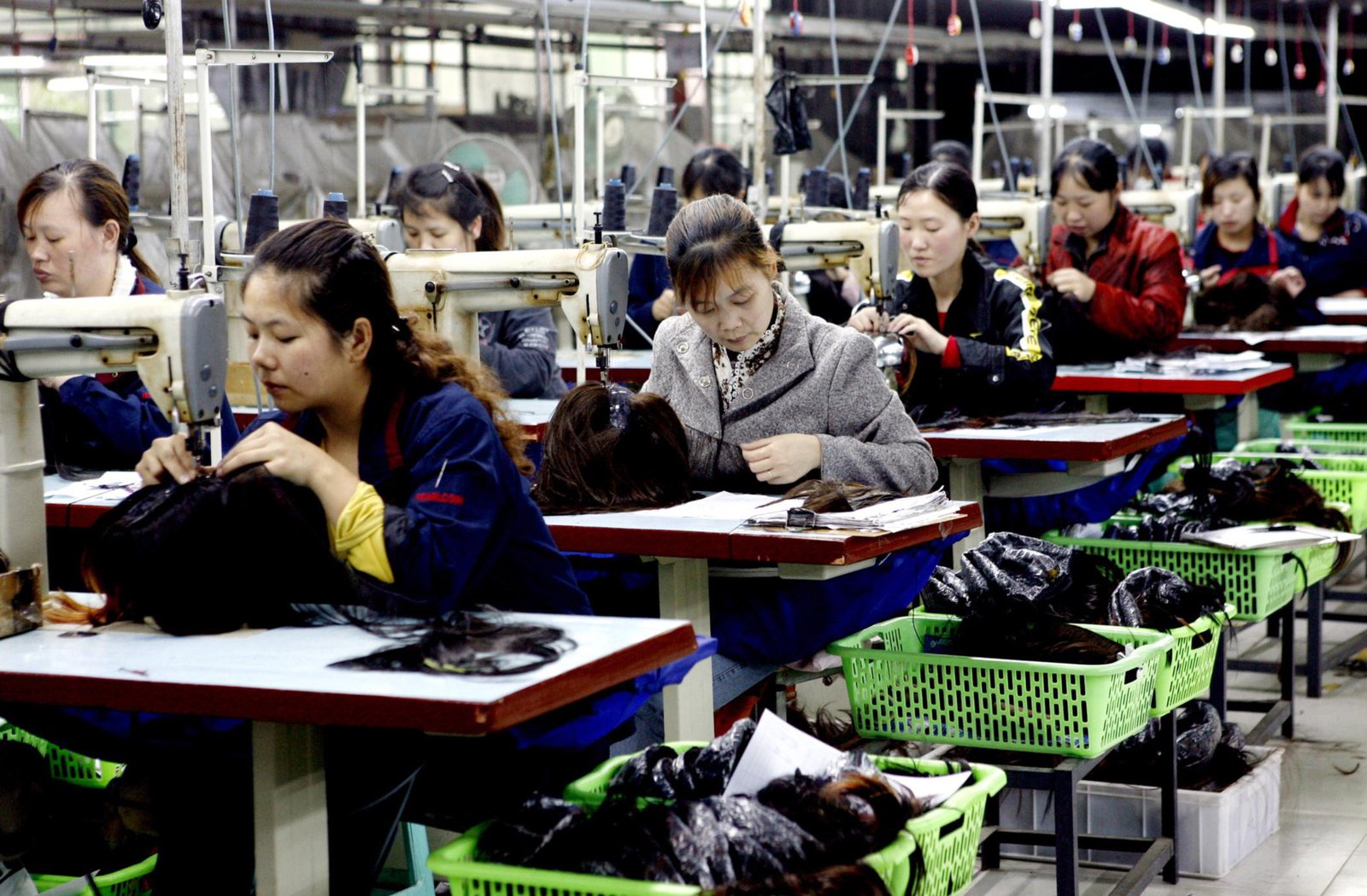
Production Differences: The manufacturing process of men’s wigs differs from that of women’s wigs in several ways. Firstly, men’s wigs are typically designed with shorter hair lengths and simplified styles to mimic the appearance of natural male hairlines. The base construction of men’s wigs often incorporates materials such as fine mesh, lace, or monofilament to achieve a more natural scalp-like appearance. On the other hand, women’s wigs offer a wider range of styles, lengths, and hair densities, allowing for more versatility in terms of volume, texture, and overall aesthetic.
Style and Design Variations: When it comes to style and design, men’s wigs tend to prioritize a natural, subtle look. They are often designed with shorter haircuts, including buzz cuts, crew cuts, or tapered styles that cater to male fashion trends. In contrast, women’s wigs offer a vast array of options, ranging from long, flowing locks to trendy bob cuts, layered styles, and even intricate updos. The versatility of women’s wigs allows for greater creativity and the ability to experiment with different looks, hair colors, and textures.
Fit and Comfort Considerations: In terms of fit and comfort, men’s wigs are typically designed to cater to the average male head size and shape. The cap construction is often more secure and snug, providing a comfortable fit that stays in place during physical activities. Additionally, men’s wigs may have adjustable straps or clips for added security. Women’s wigs, on the other hand, are crafted to accommodate the wider variety of head shapes and sizes found among women. They often feature adjustable straps, hooks, or combs to ensure a secure fit. Some women’s wigs also incorporate features like lace front or hand-tied caps, which offer a natural-looking hairline and enhanced breathability.
Styling and Maintenance Differences: While both men’s and women’s wigs require regular care and maintenance, the styling approaches may differ. Men’s wigs generally have a simpler styling routine, often requiring minimal styling products and tools. A quick comb-through or light shaping with fingers is usually sufficient to achieve the desired look. Women’s wigs, however, offer more styling flexibility and may require more effort, depending on the complexity of the chosen style. Styling tools such as curling irons, straighteners, and products like hairspray or mousse are commonly used to create different hairstyles.
Conclusion: Understanding the differences between men’s wigs and women’s wigs, from production to wearing, is essential for individuals seeking to find the perfect wig that aligns with their desired look and comfort. Whether it’s the manufacturing techniques, style variations, fit considerations, or maintenance requirements, these distinctions play a crucial role in meeting the unique needs of each gender. By recognizing these disparities, individuals can make informed choices when selecting a wig that enhances their appearance, boosts their confidence, and meets their specific preferences and lifestyle.