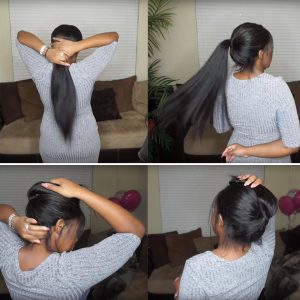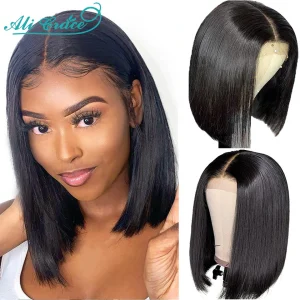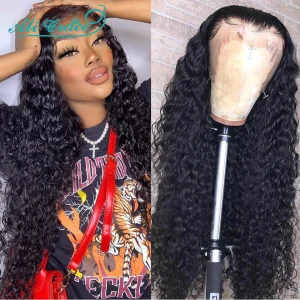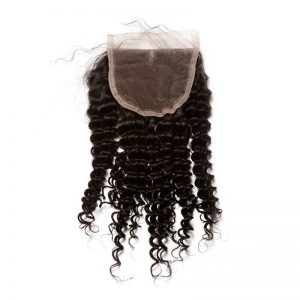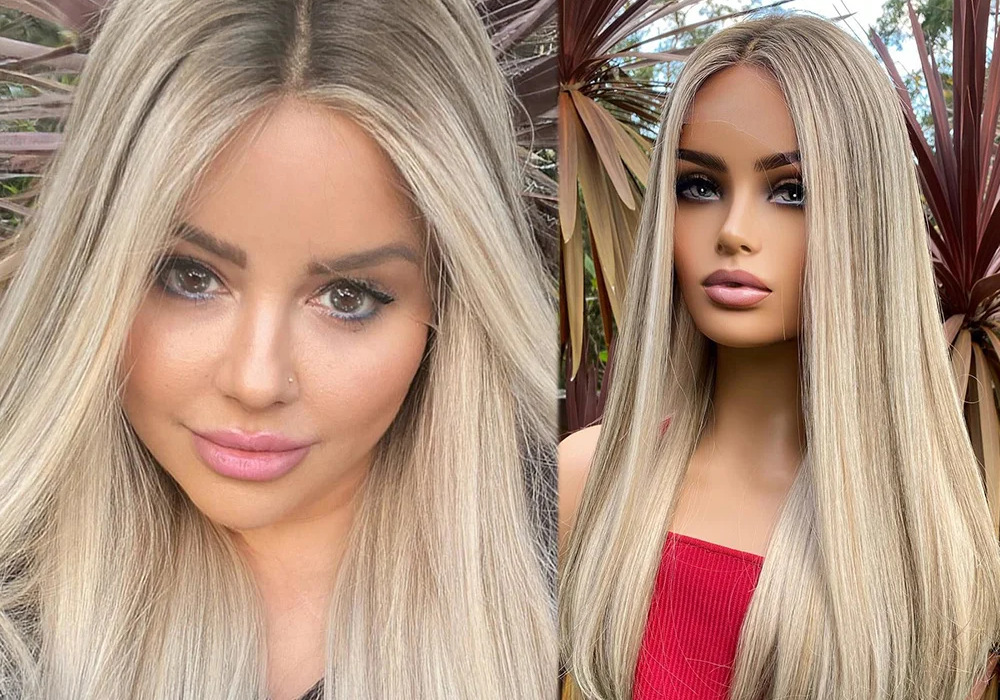
In a world where natural hair and high-quality synthetic fibers can closely mimic each other, distinguishing between real hair and wigs has become an essential skill. Whether for personal use, professional assessment, or consumer awareness, the ability to quickly identify real hair from artificial substitutes is invaluable. This comprehensive guide aims to equip readers with the necessary knowledge and techniques for swift and accurate differentiation, taking into account various factors such as texture, appearance, and behavior.
Visual and Textural Analysis
Describe the key visual and textural differences between real hair and synthetic materials, emphasizing the natural shine, color variation, and softness of human hair in contrast to the uniform texture and artificial luster of synthetic fibers. Highlight the importance of closely examining the hair strands for inconsistencies and imperfections that often reveal the authenticity of natural hair.
Behavioral Characteristics
Discuss the behavioral traits of real hair and wigs, focusing on factors such as heat resistance, styling capabilities, and response to moisture. Explain how real hair tends to react to heat and humidity by frizzing or curling, while synthetic fibers may remain relatively unchanged. Emphasize the importance of observing how the hair moves and responds to external stimuli to determine its authenticity.
Microscopic Analysis
Explain the role of microscopic analysis in identifying real hair from synthetic alternatives, highlighting the distinct structures and patterns visible under a microscope. Discuss the presence of medullary and cuticle patterns in natural hair versus the absence of these features in synthetic materials. Elaborate on the significance of specialized equipment and trained professionals in conducting accurate microscopic assessments.
Chemical Testing
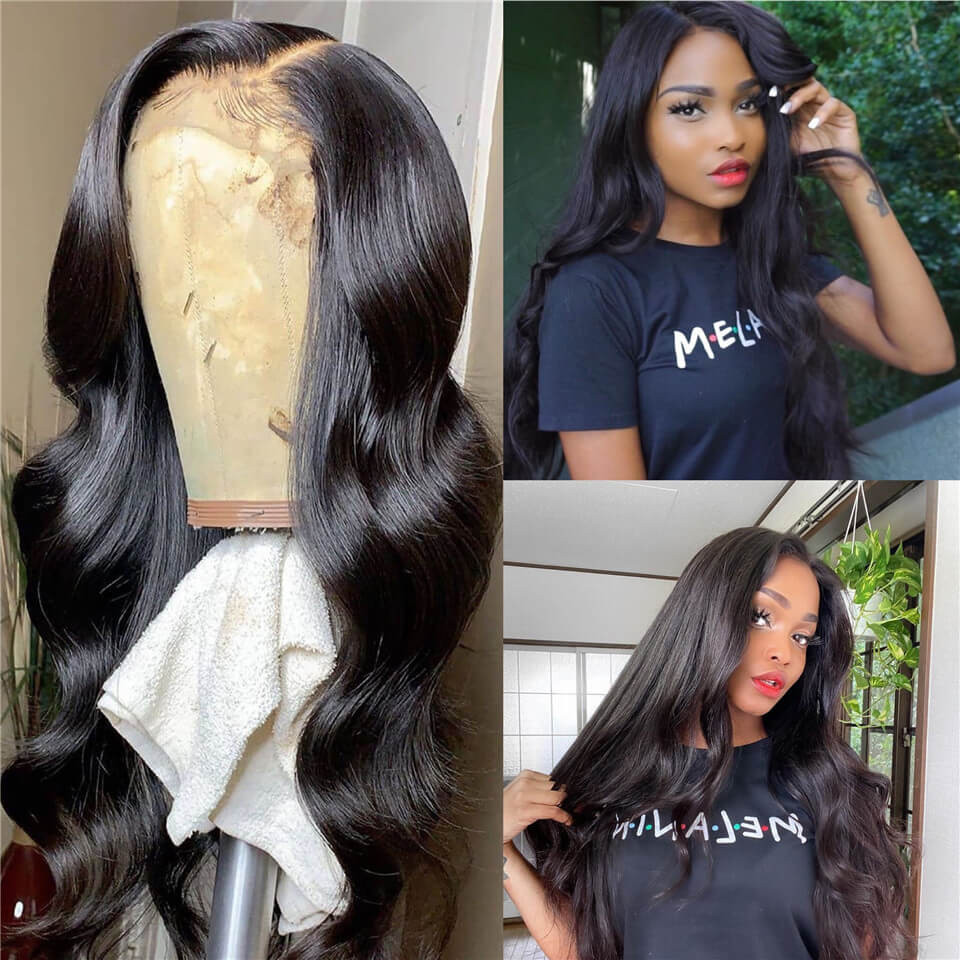
Explore the possibility of chemical testing as a means of distinguishing between real hair and wigs, discussing techniques such as elemental analysis, protein content evaluation, and DNA testing. Highlight the ethical considerations and limitations of chemical testing, underscoring the need for specialized laboratories and skilled technicians to perform accurate and reliable assessments.
Mastering the art of swiftly distinguishing between real hair and wigs requires a combination of visual, textural, behavioral, and scientific analyses. By understanding the distinct characteristics and properties of natural hair versus synthetic materials, individuals can develop the expertise to discern between the two with confidence and accuracy, ensuring informed decision-making and a deeper appreciation for the intricacies of hair identification.