
Men wearing wigs is a topic that has been controversial for centuries. Wigs were initially worn to conceal hair loss, but over time, they became fashionable accessories that could be worn for a variety of reasons. However, despite their popularity, there are still many stigmas attached to men wearing wigs. In this article, we will explore the history of men wearing wigs, the reasons why they wear them, and how society views this practice today.
The History of Men Wearing Wigs
Wigs have been worn for thousands of years, dating back to ancient Egypt, where both men and women would shave their heads and wear wigs made of human hair or plant fibers. In the 16th century, wigs became popular among the wealthy in Europe as a way to cover baldness caused by syphilis. By the 18th century, wigs had become a symbol of status and were worn by everyone from kings and queens to judges and lawyers. However, with the advent of the French Revolution, wigs fell out of fashion and became associated with the aristocracy and the old regime.
In the 20th century, wigs experienced a resurgence in popularity, especially among women, who wore them as a way to change their appearance without permanently altering their hair. However, men continued to wear wigs primarily for practical reasons, such as to conceal hair loss caused by aging, genetics, or medical conditions like chemotherapy.
Why Men Wear Wigs
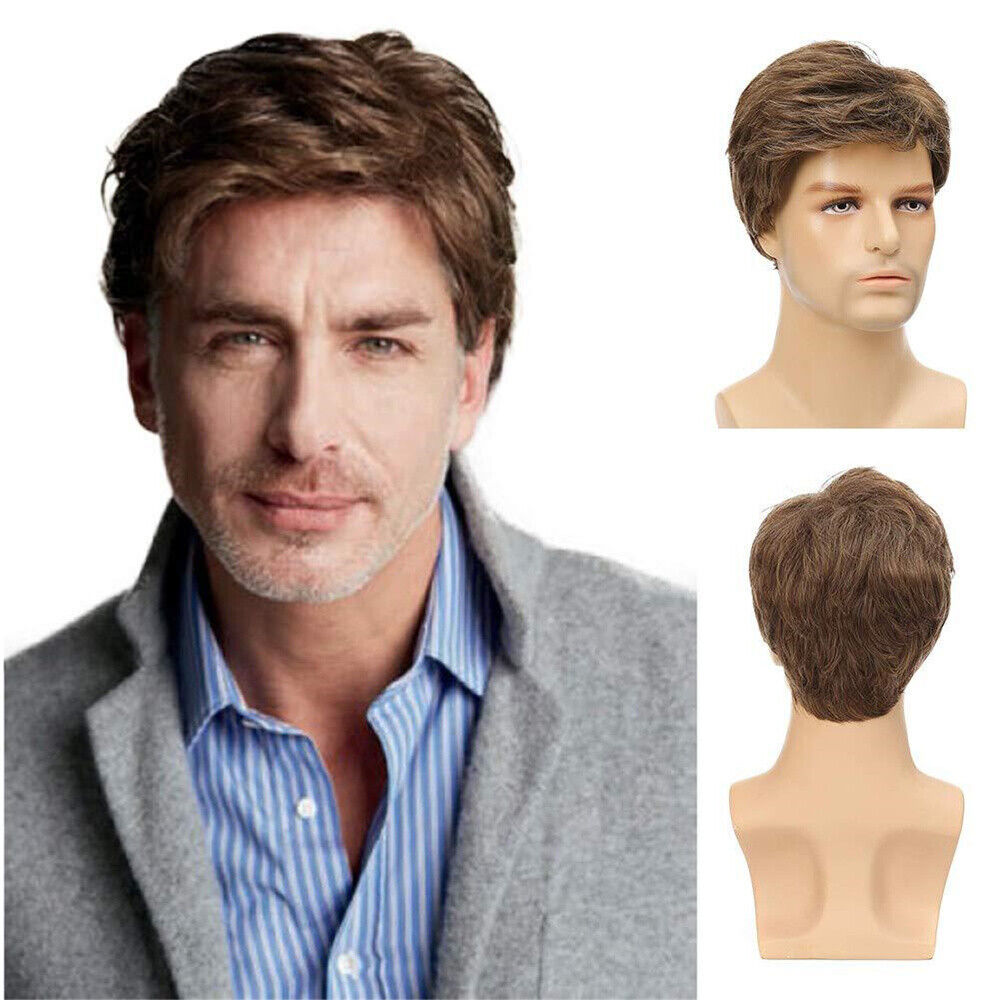
The reasons why men wear wigs are varied and personal. Some men wear wigs to conceal hair loss caused by male pattern baldness or alopecia. Hair loss can be a source of anxiety and self-consciousness, and wearing a wig can help men regain their confidence and feel more comfortable in social situations.
Other men wear wigs as a fashion statement or to experiment with different hairstyles without committing to a permanent change. Wigs can be made from a variety of materials, including human hair and synthetic fibers, and can be styled in many ways, from short and spiky to long and flowing.
Finally, some men wear wigs as part of a costume or theatrical performance. Wigs can help actors transform into characters with different hair colors, textures, and styles, allowing them to fully embody their roles.
How Society Views Men Wearing Wigs
Despite the long history of men wearing wigs, there is still some stigma attached to the practice. In many cultures, baldness is seen as a sign of aging and weakness, and men who wear wigs may be perceived as vain or insecure. Additionally, wigs have often been associated with deception, as they can be used to hide one’s true identity or deceive others.
However, attitudes towards men wearing wigs have been changing in recent years. With the rise of the beauty and fashion industries, wigs have become more widely accepted as a way to express oneself and enhance one’s appearance. Many celebrities, including actors, musicians, and athletes, have worn wigs or hairpieces, helping to normalize the practice for men.
Furthermore, advancements in wig-making technology have made it possible to create more realistic and comfortable wigs that can be customized to fit an individual’s head and natural hairline. This has helped to reduce the stigma attached to wearing a wig, as it is now easier to find a wig that looks and feels natural.
Conclusion
Men wearing wigs is a practice that has been around for centuries, with a long and varied history. While wigs were originally worn for practical reasons, such as to conceal hair loss, they have since become a fashion accessory and a way to experiment with different hairstyles. However, there is still some stigma attached to men wearing wigs, with many seeing it as a sign of vanity or deception.