
For patients grappling with medical conditions and undergoing treatments that result in hair loss, wearing wigs can provide a sense of normalcy, comfort, and confidence. However, it is crucial for patients to observe specific guidelines to ensure the safe and comfortable usage of wigs during their medical journey. This article aims to provide comprehensive insights and recommendations for patients considering or currently wearing wigs, emphasizing the importance of proper care, hygiene, and maintenance to promote overall well-being and peace of mind.
Hygiene and Scalp Care :
Discuss the significance of maintaining proper hygiene and scalp care when wearing wigs, emphasizing the need for regular cleansing and moisturizing to prevent irritation, infection, and discomfort. Highlight the importance of using gentle, wig-friendly products and techniques to promote a healthy scalp environment.
Wig Material and Comfort :
Explore the significance of choosing breathable, lightweight wig materials that prioritize comfort and ventilation, especially for patients undergoing medical treatments that may cause sensitivity or temperature fluctuations. Discuss the benefits of selecting wigs with soft, adjustable caps and secure fastenings to prevent discomfort and pressure points.
Regular Maintenance and Cleaning :
Explain the necessity of adhering to a regular maintenance and cleaning routine to preserve the quality and longevity of wigs while ensuring a clean and hygienic experience for the wearer. Discuss the importance of using mild, wig-specific products and gentle brushing techniques to prevent damage and tangling.
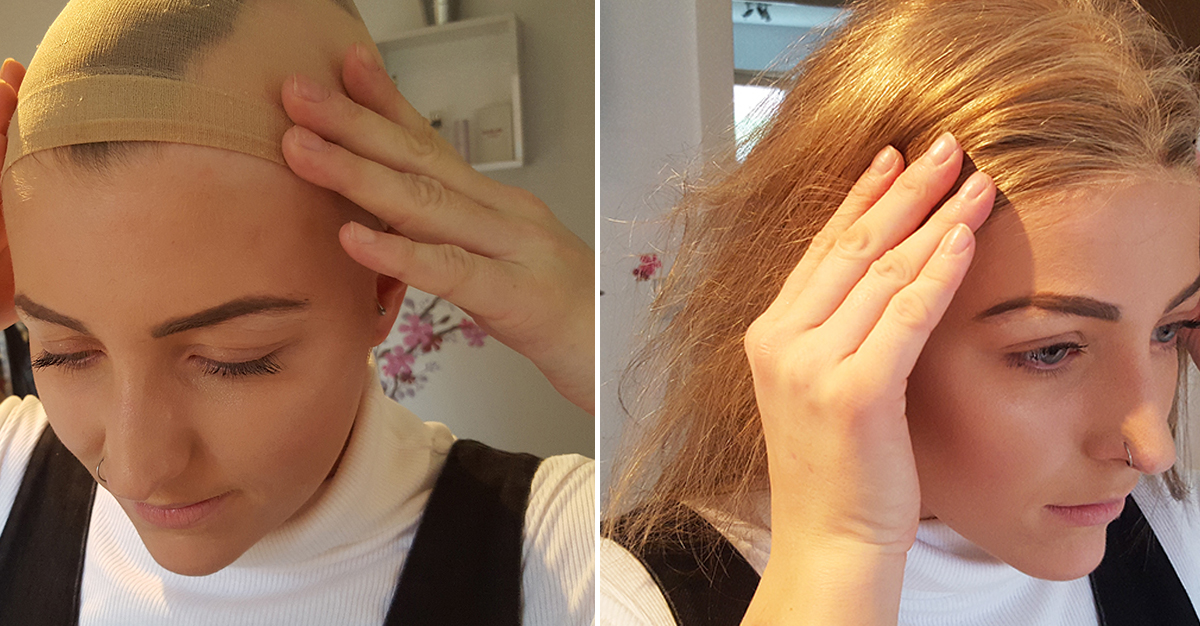
Skin Sensitivity and Allergies :
Highlight the importance of considering skin sensitivity and potential allergies when selecting wig materials, adhesives, and styling products. Discuss the benefits of conducting patch tests and consulting healthcare providers to identify and avoid any irritants or allergens that may cause adverse reactions or discomfort.
Emotional Support and Comfort :
Emphasize the significance of emotional support and comfort for patients wearing wigs, underscoring the role of open communication, empathy, and understanding from caregivers, healthcare providers, and support networks. Discuss the impact of positive self-image, self-care practices, and a supportive environment on patients’ emotional well-being and overall healing process.
By prioritizing hygiene, comfort, maintenance, skin sensitivity, and emotional support, patients can ensure a safe and comfortable experience when wearing wigs during their medical journey. Following these essential guidelines can promote a sense of normalcy, confidence, and well-being, enabling patients to focus on their recovery and embrace their inner strength and resilience.