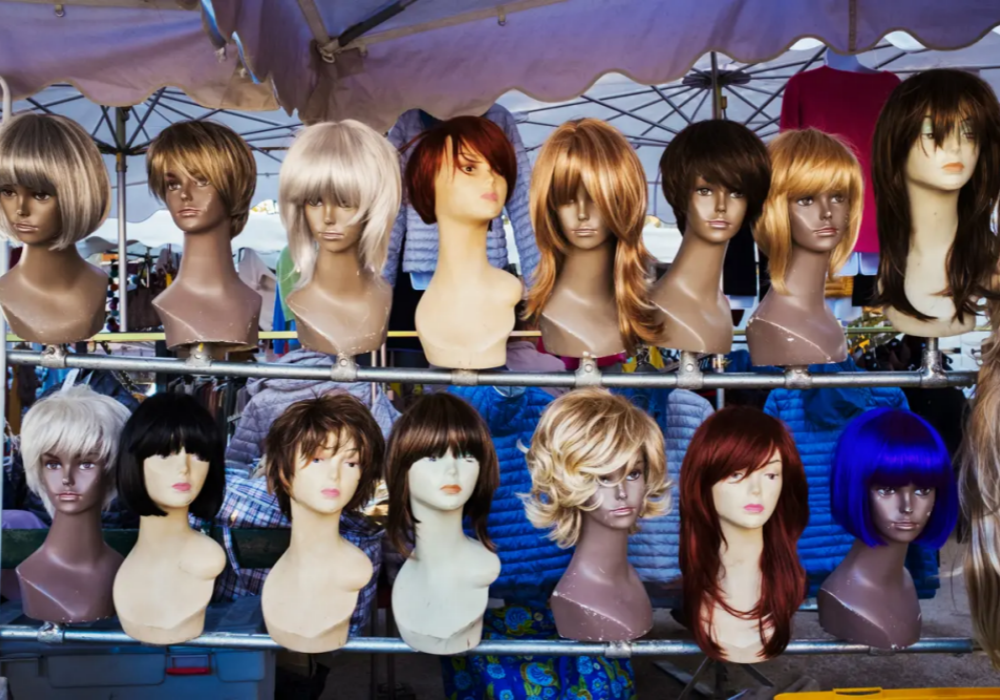
Wigs have played a significant role in various cultures throughout history, serving as symbols of power, tradition, and identity. From ceremonial headdresses to fashion statements, wigs have transcended their practical use to become cultural artifacts. This article aims to delve into the rich cultural significance of wigs worldwide, exploring their diverse roles and symbolism across different societies and historical contexts.
Wigs in Ancient Cultures
Discuss the use of wigs in ancient civilizations, such as ancient Egypt and Greece, where wigs were worn by both men and women as symbols of social status, religious significance, and protection from the elements. Highlight the intricate designs and materials used in these early wigs, emphasizing their importance in rituals, ceremonies, and daily life.
Wigs in Traditional Ceremonies
Explore the use of wigs in traditional ceremonies and rituals across cultures, such as Native American tribal rituals, African tribal ceremonies, and Eastern cultural festivities. Explain how wigs are used to denote specific roles, spiritual significance, or cultural traditions, symbolizing the wearer’s connection to their community and ancestral heritage.
Wigs in Contemporary Fashion
Discuss the evolution of wigs in modern fashion, emphasizing their role in self-expression, beauty, and personal style. Highlight the influence of wigs in the entertainment industry, from runway shows to red carpet events, where celebrities and influencers use wigs to create bold, innovative looks that challenge societal norms and redefine beauty standards.

Wigs as Empowerment Tools
Highlight the empowering role of wigs in contemporary society, particularly in communities where wigs serve as a means of reclaiming cultural identity, embracing natural hair, and expressing individuality. Discuss how the natural hair movement has led to the celebration of wigs as a form of self-expression and pride in cultural heritage.
Global Perspectives on Wig Symbolism
Examine the varying perspectives on wig symbolism worldwide, from the perception of wigs as a status symbol to their representation of tradition and cultural values. Discuss how the meaning of wigs has evolved over time, reflecting changes in societal norms, fashion trends, and cultural movements.
The cultural significance of wigs spans continents and centuries, serving as a testament to the intricate relationship between tradition, identity, and self-expression. By exploring the diverse roles of wigs in ancient rituals, contemporary fashion, and cultural empowerment, we gain a deeper understanding of their universal symbolism and their enduring impact on global cultural heritage.