Wigs are a versatile accessory that allows you to change your hairstyle effortlessly. Whether you have a synthetic or human hair wig, customizing the cut and style can make a significant difference in how it complements your face shape. By understanding your face shape and learning some basic wig styling techniques, you can achieve a flattering and natural-looking hairstyle. In this article, we’ll explore how to trim and style your wig to suit your face shape.
Determining Your Face Shape
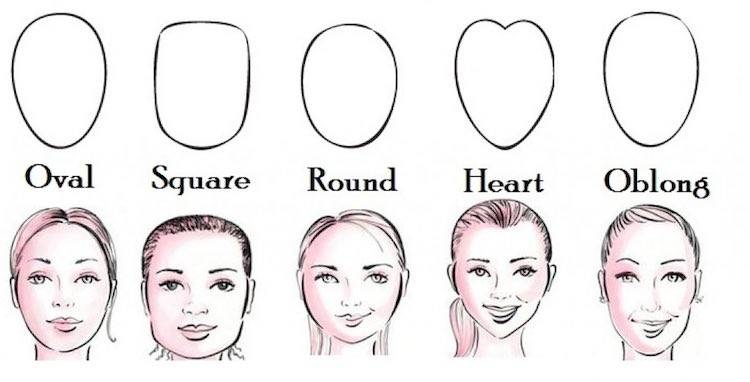
Before diving into wig styling techniques, it’s important to identify your face shape. The common face shapes include oval, round, square, heart, and diamond. To determine your face shape, pull your hair back and examine your face in the mirror. Look for the widest points of your face, the shape of your jawline, and the length of your face. This will help you identify which face shape category you fall into.
Choosing the Right Wig Style for Your Face Shape
Once you’ve determined your face shape, it’s time to choose a wig style that complements your features. Here are some general guidelines for selecting a wig style based on different face shapes:
Oval Face Shape: Lucky you! Oval faces are versatile and can pull off a variety of wig styles. Experiment with different lengths, textures, and partings to find your perfect look.
Round Face Shape: Opt for wigs with height at the crown and length below the chin to create the illusion of length. Layered and side-swept styles also help elongate the face.
Square Face Shape: Soften angular features with wigs that have layers and soft curls or waves. Side parts and off-center styles can also flatter square faces.
Heart Face Shape: Choose wigs that add width to the jawline and balance out the forehead. Shoulder-length or longer styles with layers work well, as do side-swept bangs.
Diamond Face Shape: Look for wigs that add volume to the forehead and chin areas while minimizing the width of the cheekbones. Chin-length bobs and textured styles are great options.
Trimming Your Wig
To achieve a customized fit and style, you may need to trim your wig. Here are some essential tips for trimming your wig:
Start with clean, dry hair: Make sure your wig is clean and dry before attempting any trimming. This will help you see the true length and shape of the wig.
Use professional hair-cutting tools: Invest in a pair of sharp hair-cutting scissors specifically designed for trimming wigs. Regular household scissors may cause uneven cuts.
Trim gradually: It’s best to trim small sections at a time and evaluate the results before proceeding. You can always take off more length, but you can’t put it back once it’s cut.
Styling Your Wig
Styling your wig is an excellent way to customize your look and enhance its natural appearance. Here are some wig styling tips to consider:
Heat styling: Synthetic wigs require heat-friendly fibers for heat styling. Use low heat settings and protect the wig with a heat protectant spray. Human hair wigs offer more styling versatility and can be heat-styled using curling irons, straighteners, and other styling tools.
Adding layers: Layering your wig can create movement and dimension. Consult a professional stylist or follow online tutorials to learn how to add layers to your wig without compromising its integrity.
Experiment with partings: Changing the parting of your wig can dramatically alter your appearance. Try different parting options, such as middle part, side part, or zigzag, to find the most flattering