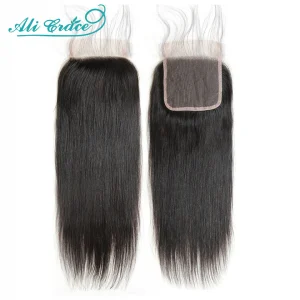
Wigs have been used for centuries as a means of covering baldness or changing one’s appearance. While wigs were once made from materials such as animal hair, plant fibers, and human hair, advancements in technology have led to the development of synthetic fibers and other innovative materials that have revolutionized the wig industry. In this article, we’ll take a closer look at the evolution of wig technology and how it has changed the industry.
The Early Days of Wig Making
Wigs have been around for thousands of years, with evidence of their use dating back to ancient Egypt and Greece. These early wigs were often made from human hair, animal fur, or plant fibers, and were used primarily by the wealthy to denote their status or to cover up baldness. These wigs were often uncomfortable and heavy, and were difficult to maintain.
The Rise of Synthetic Fibers
In the mid-20th century, synthetic fibers such as nylon and polyester were developed, leading to the creation of synthetic wigs. These wigs were more affordable and easier to care for than their natural hair counterparts, and they quickly became popular with both women and men. However, early synthetic wigs had a shiny, plastic-like appearance that made them look artificial.

The Development of Heat-Resistant Fibers
In the 1990s, wig manufacturers began using heat-resistant fibers such as Kanekalon and Toyokalon to create wigs that could withstand heat styling tools such as curling irons and flat irons. These fibers allowed for more versatility in wig styling and made it easier to create natural-looking styles. Additionally, heat-resistant fibers helped to reduce the shiny appearance that was common with early synthetic wigs.
Innovations in Wig Cap Construction
Wig cap construction has also seen significant advancements in recent years. Traditional wig caps were made from a solid material that didn’t allow for much ventilation, which could cause discomfort and sweating. Modern wig caps use lightweight, breathable materials such as mesh or open-wefted designs to allow for better air flow and improved comfort.
Advancements in Wig Attachment Methods
In the past, wigs were attached to the head using pins or combs that could be uncomfortable and difficult to secure. Today, wig manufacturers offer a variety of attachment methods such as clips, adhesive strips, and silicone grips that provide a more secure and comfortable fit. Some wig makers have even developed custom-made wigs that are secured with medical-grade adhesives, making them suitable for people who have lost their hair due to medical conditions or treatments.
The Future of Wig Technology
As technology continues to advance, the wig industry is likely to see even more innovations. Some companies are already experimenting with 3D printing technology to create custom-fit wigs, while others are exploring the use of nanofibers to create wigs that are even more realistic than current options.
In conclusion, the evolution of wig technology has made it possible for people to enjoy high-quality wigs that are comfortable, affordable, and realistic-looking. With ongoing advancements in materials, manufacturing, and styling techniques, the wig industry is poised for continued growth and innovation in the years to come.