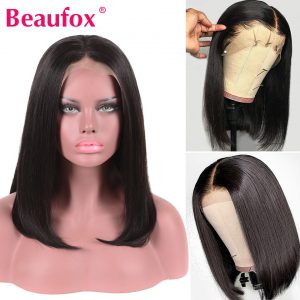
Wigs have been used for centuries to enhance one’s appearance, but they have also served a deeper psychological purpose. Whether worn for medical reasons, cultural traditions, or personal expression, wigs can have a powerful impact on our sense of self and how we interact with the world. In this article, we will explore the psychology of wearing wigs and why we use them to transform our look.
Identity and Self-Expression
The way we present ourselves to the world is an important aspect of our identity. Our appearance is one of the first things people notice about us, and it can influence how we are perceived by others. Wearing a wig can be a way to express our individuality and feel more confident in our appearance. It can also provide a sense of control over our image, especially for those who have experienced hair loss or have a condition that affects their hair.
Cultural and Traditional Significance
Wigs have played a significant role in various cultures and traditions throughout history. In ancient Egypt, wigs were worn as a symbol of status and wealth. In some African cultures, wigs are worn as a way to honor ancestors or for religious ceremonies. In modern times, wigs are still an important part of many cultural traditions, such as the geisha wig in Japan and the sheitel wig in the Jewish Orthodox community. Wearing these wigs can provide a sense of connection to one’s heritage and cultural identity.
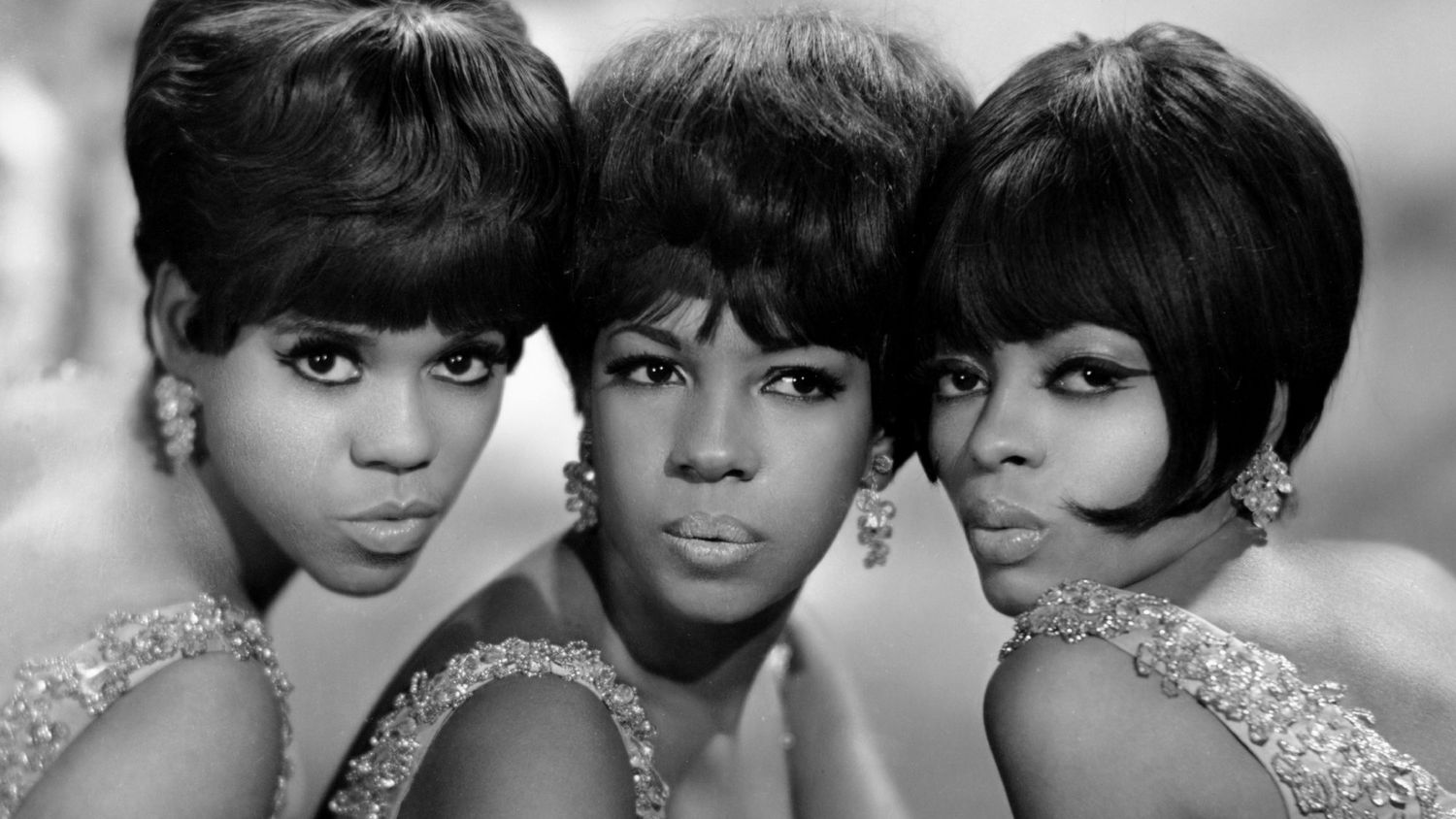
Medical and Practical Reasons
For some, wearing a wig is not a matter of personal choice, but a necessity for medical or practical reasons. Hair loss from chemotherapy, alopecia, or other medical conditions can be emotionally devastating, and a wig can help restore a sense of normalcy and confidence. Wigs can also be used in the performing arts industry, where actors and actresses often wear them to transform into their characters.
The Transformative Power of Wigs
Wigs have the ability to transform not only our appearance but also our mood and behavior. Studies have shown that wearing a wig can boost self-esteem and confidence, making individuals more assertive and extroverted. This effect is known as the “lipstick effect,” where wearing a wig or other cosmetic item can give a temporary boost in mood and self-perception.
Wigs can also be used as a form of escapism, allowing individuals to step outside of their everyday lives and become someone else. This is particularly evident in the cosplay community, where individuals wear wigs to become their favorite characters from movies, TV shows, and video games. In this way, wigs can be a powerful tool for self-expression and creativity.
Conclusion
Wigs have a rich and diverse history, serving both practical and psychological purposes. Whether worn for medical reasons, cultural traditions, or personal expression, wigs have the power to transform not only our appearance but also our mood and behavior. As we continue to explore the psychology of wearing wigs, we can gain a deeper understanding of how they shape our sense of self and how we interact with the world around us.