Wigs have been worn by people for thousands of years, with evidence of their use dating back to ancient Egypt and Greece. Over the centuries, wigs have played an important role in fashion, religion, and politics, and their popularity has ebbed and flowed depending on the time and place. In this article, we’ll explore the fascinating history of wigs from ancient times to modern day.
Ancient Times
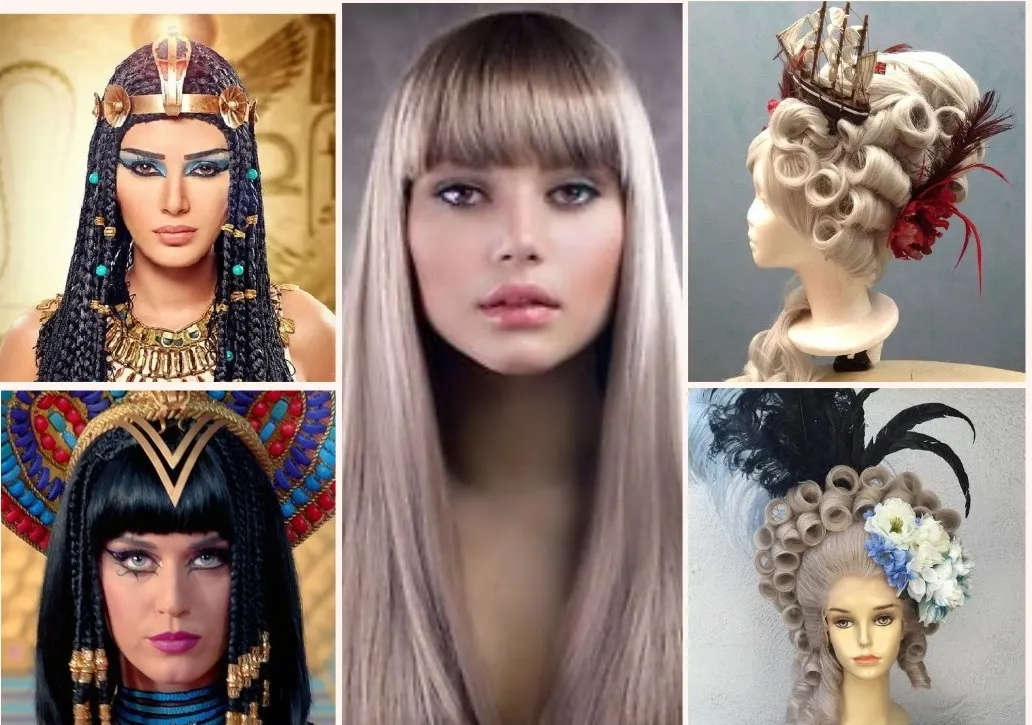
The ancient Egyptians were known for wearing wigs made from human hair, wool, and vegetable fibers. These wigs were not only a symbol of wealth and social status, but also served practical purposes such as protecting the head from the sun and insects. Wigs were also popular in ancient Greece, where they were worn by actors and were often made from animal hair.
Renaissance and Baroque Eras
During the Renaissance and Baroque eras, wigs became a symbol of nobility and wealth. In Europe, both men and women began to wear elaborate wigs made from human hair, which were often powdered to give them a white or gray appearance. The wigs were styled in a variety of ways, from long ringlets to towering structures several feet high. The trend continued into the 18th century, with the elaborate hairstyles of the French court of Versailles becoming particularly famous.
19th Century
By the 19th century, the popularity of wigs began to decline, as hairstyles became more natural and less elaborate. Wigs were still worn for special occasions, such as weddings and balls, but were no longer a part of everyday fashion. However, wigs continued to be important in some professions, such as law and medicine, where they were worn as a sign of authority and expertise.
20th Century
In the 20th century, wigs underwent a resurgence in popularity, particularly in the entertainment industry. Hollywood stars such as Marilyn Monroe and Elizabeth Taylor were known for wearing wigs and hairpieces to create their iconic looks. In the 1960s and 1970s, wigs became a popular fashion accessory, with people of all ages and backgrounds wearing them to change their appearance or make a statement.
Modern Day
Today, wigs are more popular than ever, with a wide range of styles and materials available to suit every taste and budget. Advances in wig technology have made them more comfortable and natural-looking than ever before, with synthetic wigs that are virtually indistinguishable from real hair. Wigs are now worn not only for fashion and fun, but also for practical reasons such as medical hair loss or alopecia.
In conclusion, the history of wigs is a long and fascinating one, spanning thousands of years and multiple cultures. From their humble beginnings as practical head coverings, to their role as a symbol of nobility and wealth, to their modern-day use as a fashion accessory and practical solution for hair loss, wigs have played an important role in human history and continue to do so today.