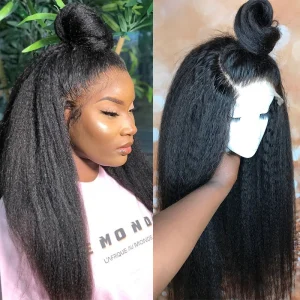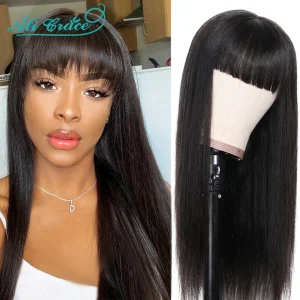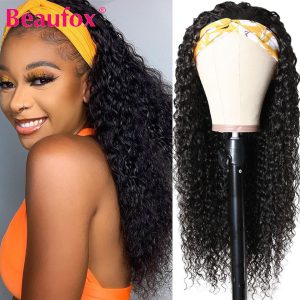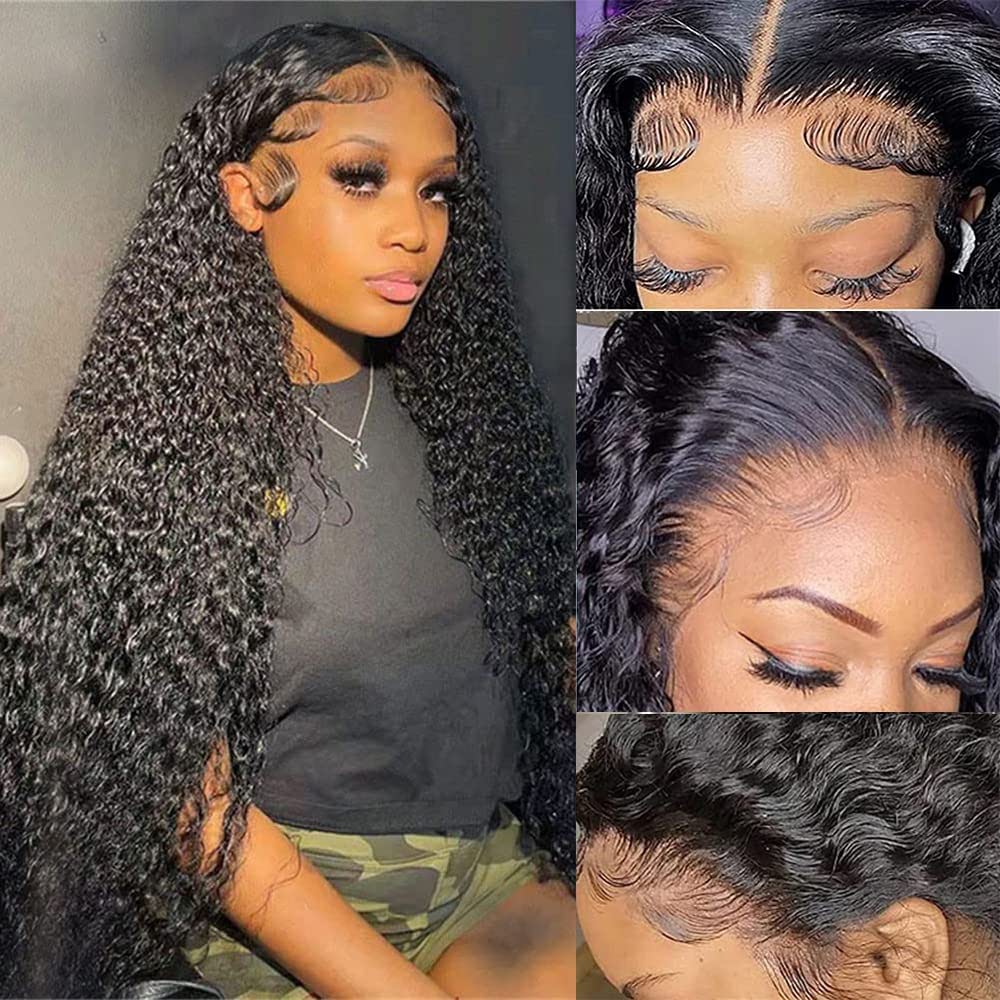
Wigs have come a long way since the days of heavy, uncomfortable hairpieces. Today, wigs are made from a variety of materials that offer different benefits and drawbacks. From synthetic fibers to human hair, understanding the different types of wig fibers can help you choose the best wig for your needs.
Synthetic Fiber Wigs
Synthetic fiber wigs are the most common type of wig on the market. They are made from man-made fibers that are designed to look and feel like natural hair. Synthetic wigs are generally less expensive than human hair wigs and require less maintenance. They are also available in a wide range of colors and styles.
One of the drawbacks of synthetic wigs is that they can be more prone to tangling and frizzing than human hair wigs. They are also less versatile when it comes to styling, as they cannot be heat-styled or permed. Additionally, synthetic wigs can be less breathable than human hair wigs, which can be uncomfortable in hot weather.
Human Hair Wigs
Human hair wigs are made from real human hair, making them the most natural-looking and versatile type of wig. They can be heat-styled, permed, and dyed, giving you the ability to create a wide range of looks. Human hair wigs are also more durable than synthetic wigs and can last for several years with proper care.
The main drawback of human hair wigs is their cost, which is significantly higher than synthetic wigs. They also require more maintenance, as they need to be washed and styled regularly to maintain their appearance.

Blended Fiber Wigs
Blended fiber wigs are a combination of synthetic and human hair fibers. They offer the best of both worlds, with the durability and affordability of synthetic wigs and the natural look and styling versatility of human hair wigs. Blended fiber wigs are also less prone to tangling and frizzing than synthetic wigs.
The drawback of blended fiber wigs is that they can be more difficult to style than human hair wigs, as the synthetic fibers can limit heat styling and coloring options.
Heat-Friendly Synthetic Wigs
Heat-friendly synthetic wigs are a newer type of synthetic wig that is designed to be heat-styled. They are made from special synthetic fibers that can withstand heat up to a certain temperature, allowing for more styling versatility than traditional synthetic wigs.
The drawback of heat-friendly synthetic wigs is that they are still prone to tangling and frizzing, and they may not last as long as human hair wigs.
Conclusion
When choosing a wig, the type of fiber used is an important consideration. Synthetic wigs are affordable and low-maintenance, while human hair wigs are natural-looking and versatile. Blended fiber wigs offer the best of both worlds, and heat-friendly synthetic wigs are a good option if you want more styling versatility. By understanding the different types of wig fibers, you can choose the best wig for your needs and preferences