Wigs have been around for centuries, and they have been made from various materials throughout history. Animal fur wigs are one of the oldest types of wigs, and they have been used for centuries in many cultures. These wigs were originally made from the fur of animals such as beavers, otters, and minks, and they were prized for their natural look and feel. In this article, we will explore the world of animal fur wigs, their history, and how they are made.
History of Animal Fur Wigs
Animal fur wigs have been around for centuries, and they were particularly popular in Europe during the 16th and 17th centuries. These wigs were made from the fur of animals such as beavers, otters, and minks, and they were used as a status symbol by the wealthy. These wigs were expensive to make and were therefore only accessible to the upper classes.
As time went on, animal fur wigs became less popular, and they were eventually replaced by wigs made from human hair or synthetic materials. Today, animal fur wigs are still made, but they are not as common as they once were.
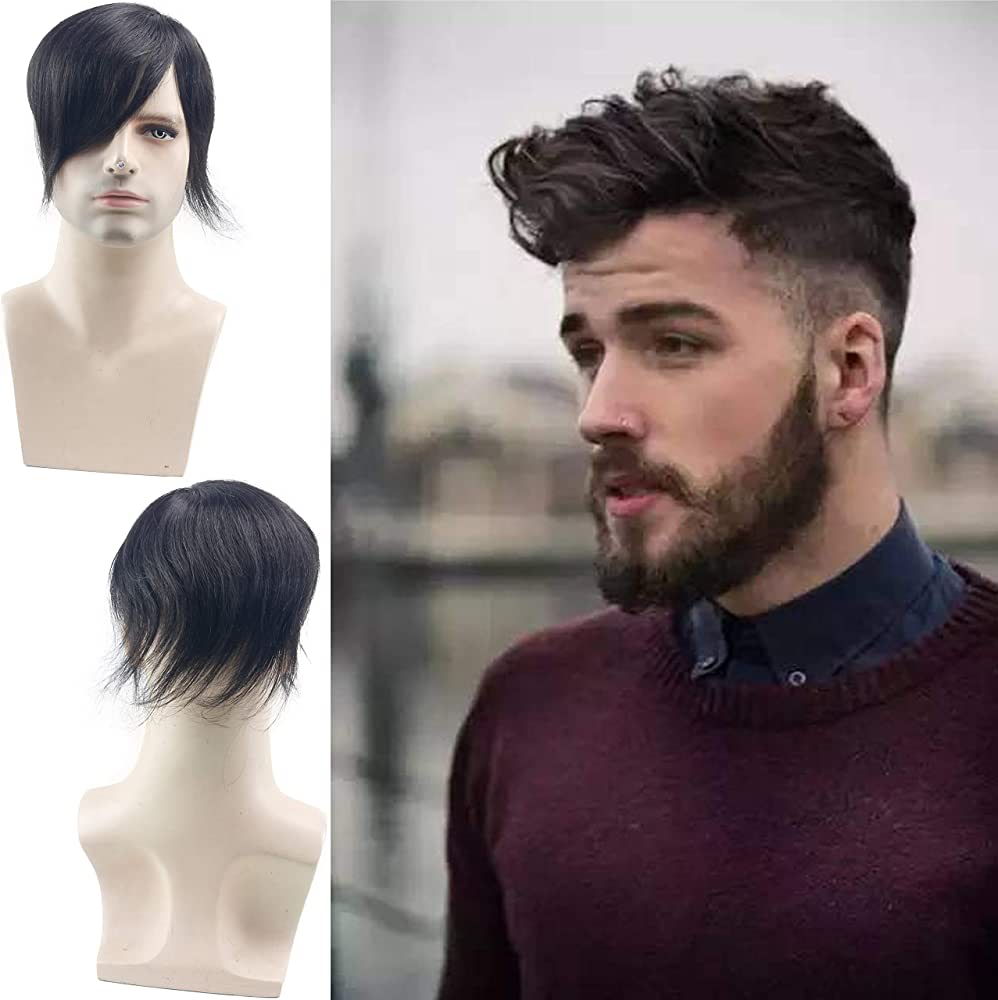
How Animal Fur Wigs Are Made
Animal fur wigs are made using the same basic process as other types of wigs. The first step is to create a wig cap, which is typically made from cotton or another breathable material. The wig cap is then attached to a wig block, which is a head-shaped mold.
Once the wig cap is in place, the animal fur is sewn onto the cap, starting at the nape of the neck and working up to the crown. The fur is sewn in small sections, and the hair is trimmed and shaped as necessary to create a natural-looking wig.
Animal fur wigs can be made from a variety of different types of fur, depending on the desired look and feel. For example, beaver fur is often used to create wigs with a natural-looking sheen, while otter fur is prized for its softness and warmth.
Care and Maintenance of Animal Fur Wigs
Animal fur wigs require special care and maintenance to keep them looking their best. Here are some tips for caring for your animal fur wig:
Store your wig properly: When you’re not wearing your wig, store it in a cool, dry place away from direct sunlight. Avoid storing your wig in a plastic bag, as this can cause the fur to become damaged or matted.
Clean your wig regularly: Animal fur wigs should be cleaned regularly to keep them looking their best. Use a mild shampoo and cool water to wash your wig, and be gentle when scrubbing the fur.
Brush your wig carefully: Use a soft-bristled brush to gently brush your wig, starting at the ends and working your way up. Avoid brushing too hard or pulling on the fur, as this can cause it to become damaged.
Avoid heat: Animal fur wigs should not be exposed to heat, as this can cause the fur to become damaged or singed. Avoid using heated styling tools on your wig, and avoid exposing it to direct heat sources such as ovens or stovetops.
In conclusion, animal fur wigs have a long and fascinating history, and they are still made today by skilled wig makers. While these wigs require special care and maintenance to keep them looking their best, they offer a natural look and feel that cannot be replicated by synthetic materials. Whether you’re looking for a historical costume piece or a unique fashion statement, an animal fur wig may be the perfect choice for you.